Introduction
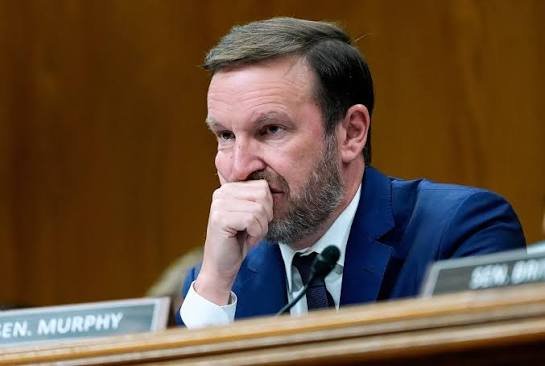
U.S. Senator Christopher Murphy of Connecticut will not return to the Senate next week as he continues recovering from a stroke that recently required hospitalization. The Democratic senator has been discharged from the hospital and is preparing to spend several weeks at a rehabilitation center as part of his recovery process. The announcement has attracted considerable attention in Washington, Connecticut, and across the United States, particularly because Murphy is an active member of the Senate and an influential voice in several major policy discussions.
According to statements released by Murphy and his medical team on November 6, 2026, the senator experienced a small hemorrhagic stroke on October 31. He explained that he noticed something was wrong with his body and contacted emergency services. Medical professionals subsequently diagnosed a small bleed in the thalamus region of his brain.
Although the incident resulted in an immediate interruption to his political schedule, doctors have expressed encouragement about his progress. Murphy has also indicated that he remains in contact with his colleagues and staff while focusing on rehabilitation.
His temporary absence raises questions about his participation in upcoming Senate proceedings, the responsibilities of his office, and the importance of medical recovery for public officials.
Christopher Murphy Announces He Will Miss Next Week’s Senate Session
Senator Chris Murphy has confirmed that he will not return to the Senate when lawmakers resume their work next week. Instead, he plans to spend several weeks at a rehabilitation facility following his discharge from Johns Hopkins Hospital.
The announcement came after days of concern about his health and limited public information about his medical condition. Murphy’s office initially confirmed that he had experienced a medical emergency while attending his son’s hockey game.
In his November 6 statement, Murphy explained that he had been diagnosed with a small bleed in the thalamus region of his brain. He also thanked the medical professionals who treated him and acknowledged the support he had received from colleagues, friends, and members of the public.
The senator emphasized that rehabilitation would be an important part of his recovery. Rather than immediately returning to his demanding responsibilities in Washington, he intends to follow medical recommendations and give himself time to recover.
His decision means that Connecticut will temporarily have one senator unable to participate in regular Senate voting. However, Murphy’s office has emphasized that its staff will continue handling constituent concerns and legislative responsibilities during his absence.
What Happened to Senator Chris Murphy?
The medical incident occurred on Saturday, October 31, 2026. According to information shared by Murphy’s office, the senator was attending his son’s hockey game when he began experiencing numbness in his arm.
Recognizing that something might be wrong, Murphy called 911. He was subsequently taken for medical evaluation, where doctors discovered bleeding in the brain.
Further examination identified the condition as a small hemorrhagic stroke. Murphy was later treated at Johns Hopkins Hospital, where medical professionals monitored his condition and provided care.
The senator’s decision to seek emergency medical assistance was particularly important because strokes require prompt medical attention. Symptoms can sometimes appear unexpectedly, and immediate evaluation can help medical professionals identify the underlying problem.
Murphy later described the experience as frightening for both himself and his family. He expressed gratitude to the doctors and hospital staff who provided treatment and supported his family throughout the medical emergency.
His office initially provided limited information while prioritizing his privacy. The November 6 announcement offered a clearer explanation of the diagnosis and his expected rehabilitation schedule.
Understanding the Hemorrhagic Stroke Diagnosis
A hemorrhagic stroke occurs when a blood vessel in the brain ruptures, causing bleeding within or around brain tissue. This bleeding can affect normal brain function and requires immediate medical evaluation.
In Murphy’s case, doctors identified a small bleed in the thalamus region of his brain.
The thalamus is an important structure located deep within the brain. It helps process and relay sensory information and plays a role in several neurological functions.
A hemorrhagic stroke can have different effects depending on the location and severity of the bleeding. Symptoms and recovery experiences vary significantly from one patient to another.
Some people experience weakness, numbness, difficulty speaking, changes in coordination, or other neurological symptoms. However, the exact symptoms and medical details of Murphy’s condition have not been fully disclosed.
It is important not to make assumptions about his individual medical circumstances based on general information about strokes.
The senator’s medical team has provided an encouraging public assessment, but his rehabilitation and recovery will remain guided by his doctors.
Doctors Express Confidence in Murphy’s Recovery
One of the most encouraging developments in the latest Christopher Murphy stroke update is the assessment provided by Dr. Jose Suarez of Johns Hopkins Hospital.
Dr. Suarez, who serves as chief of neurosciences critical care, confirmed that Murphy experienced a small hemorrhagic stroke.
According to the physician’s statement, the senator has demonstrated considerable progress since receiving treatment. Doctors are encouraged by his improvement and expect him to make a full recovery following rehabilitation.
This medical update has provided reassurance to people following the senator’s condition.
However, a positive assessment does not mean that rehabilitation can be skipped or that a specific return-to-work date has been established. Recovery following a stroke can involve several stages, and patients may require additional support before resuming normal professional activities.
Murphy’s decision to spend several weeks at a rehabilitation center reflects the importance of taking the recovery process seriously.
His medical team will remain responsible for evaluating his progress and determining when he can safely resume his regular schedule.
Why Rehabilitation Is Important After a Stroke
Rehabilitation is often an important part of recovery following a stroke. Depending on the patient’s needs, rehabilitation programs may involve physical therapy, occupational therapy, speech therapy, and other forms of medical support.
The purpose is to help individuals regain abilities affected by the stroke and improve their independence.
Physical therapy can help patients address movement, strength, balance, and coordination challenges. Occupational therapy focuses on everyday activities, while speech and language therapy may assist individuals experiencing communication or swallowing difficulties.
Not every stroke patient requires the same treatment. Rehabilitation plans are usually designed according to the patient’s diagnosis, symptoms, medical history, and progress.
For a public official such as Murphy, returning to work also involves managing a demanding schedule that includes meetings, legislative discussions, travel, and communication with constituents.
Taking additional time for rehabilitation may help him prepare for those responsibilities without rushing the process.
Senate Prepares to Resume Work Without Murphy
Murphy’s absence comes as the U.S. Senate prepares to return to Washington following a five-week break connected to the 2026 midterm elections.
The chamber is scheduled to resume its work on Monday, November 9, with several weeks of legislative activity remaining before the end of the year.
The senator’s decision to miss the upcoming session means he will be unavailable for several weeks of Senate votes and other in-person activities.
His absence is noteworthy because every senator has responsibilities involving legislation, committee work, constituent services, and political negotiations.
The Senate will continue its proceedings with the other members participating in scheduled business. Murphy’s temporary absence does not automatically prevent the chamber from conducting its work.
Nevertheless, his absence may affect his personal participation in discussions and votes on issues that matter to his constituents.
The exact legislative impact will depend on the issues considered during the weeks he spends in rehabilitation.
How Murphy’s Office Will Continue Serving Connecticut Residents
Although Murphy will be away from the Capitol, his office has stated that its operations will continue.
In his public statement, the senator explained that he remains engaged with his team and colleagues remotely. He also emphasized that his staff will continue working on legislative priorities and providing services to Connecticut residents.
This is particularly important because senators’ offices handle a wide range of responsibilities beyond participating in congressional votes.
Constituent services can include helping residents navigate federal agencies, addressing questions about government programs, assisting with immigration-related matters, and communicating with federal departments.
Staff members also help prepare legislative proposals, coordinate meetings, respond to public concerns, and maintain communication with other congressional offices.
Murphy’s temporary absence therefore does not mean that his office will stop functioning.
His staff is expected to maintain regular operations while he concentrates on his medical recovery.
Christopher Murphy’s Political Career and Senate Responsibilities
Christopher Murphy has represented Connecticut in the United States Senate since 2013. Before entering the Senate, he served in the U.S. House of Representatives and held positions in Connecticut’s state legislature.
Over the years, he has become involved in several important national policy debates, particularly immigration, gun legislation, foreign policy, and government spending.
Murphy has also developed a reputation as a prominent Democratic voice in discussions about the Trump administration and its policies.
He participated in bipartisan negotiations that resulted in significant legislative agreements, including the 2022 gun safety law.
His experience in Congress means that his temporary absence is attracting attention beyond Connecticut.
Murphy is also a member of the Senate Appropriations Committee, which plays an important role in considering federal spending legislation.
His responsibilities involve discussions about government funding, national priorities, and the allocation of public resources.
While his staff can continue supporting many office operations, his absence means he will temporarily miss opportunities to participate personally in these legislative activities.
Previous Cases of Senators Recovering From Strokes
Murphy is not the first U.S. senator to experience a stroke while serving in Congress.
Several lawmakers have faced similar medical challenges in recent years, highlighting the importance of health and recovery within the demanding environment of national politics.
Senator Ben Ray Luján of New Mexico experienced a stroke in 2022. He received medical treatment and subsequently returned to his congressional responsibilities.
Senator Chris Van Hollen of Maryland also experienced a minor stroke in 2022 and returned to work following medical care and recovery.
Pennsylvania Senator John Fetterman experienced a stroke while campaigning for office in 2022. His experience brought additional attention to the ways technology and workplace adjustments can help public officials continue performing their responsibilities.
These cases demonstrate that medical emergencies can interrupt the careers of elected representatives, regardless of their professional experience or political position.
However, each person’s condition and recovery process are different. Previous cases should not be used to predict Murphy’s individual medical timeline.
Political Implications of Murphy’s Temporary Absence
Murphy’s absence comes at a significant moment in American politics, with Congress preparing for another period of legislative activity following the 2026 midterm elections.
The senator has been involved in national political discussions and has campaigned for Democratic candidates in different parts of the country.
His political influence extends beyond his home state, particularly because of his involvement in debates concerning immigration, gun policy, and the direction of the federal government.
His temporary absence means that colleagues and staff members will need to manage his responsibilities during the rehabilitation period.
However, there is currently no indication that the senator intends to resign from office or permanently step away from his position.
His announcement focuses on medical recovery and a temporary interruption to his schedule.
Murphy’s Senate term continues beyond 2026, and his office remains operational.
His immediate priority is rehabilitation rather than participation in the next Senate session.
Public Support and Privacy Concerns
Following the announcement, Murphy received messages of support from political colleagues and members of the public.
Senator John Fetterman publicly expressed support for Murphy and his family, wishing him a full and speedy recovery.
The incident has also renewed discussions about how much medical information public officials should disclose when health problems interrupt their responsibilities.
Elected representatives occupy positions that require public accountability. At the same time, they retain personal privacy rights, particularly concerning sensitive medical information.
Murphy acknowledged both considerations in his statement.
He provided information about his diagnosis, hospital discharge, and rehabilitation plans while asking the public to respect his family’s privacy.
The senator’s approach allows people to understand why he will be absent without requiring him to disclose every detail of his medical treatment.
What Happens Next for Christopher Murphy?
The immediate next step for Murphy is spending several weeks at a rehabilitation facility.
His medical team will monitor his progress and determine the appropriate pace of recovery.
There has been no confirmed date for his return to the Senate. Consequently, reports about a specific return date should be treated cautiously until Murphy or his medical representatives provide an official update.
During this period, his staff will continue managing constituent services and legislative priorities.
The Senate will also proceed with its scheduled activities while Murphy remains away.
Future announcements from his office and medical team are likely to provide additional information about his recovery and professional schedule.
For now, the available medical assessment remains encouraging, with his doctor expressing confidence that he is expected to make a full recovery following rehabilitation.
Conclusion
The announcement that Christopher Murphy will not return to the Senate next week following a stroke has become an important political and health-related development in Washington.
The Connecticut Democrat was diagnosed with a small hemorrhagic stroke on October 31 and was subsequently treated at Johns Hopkins Hospital. Following his discharge on November 6, he announced plans to spend several weeks at a rehabilitation center before resuming his regular responsibilities.
His medical team has reported encouraging progress and expects a full recovery following rehabilitation.
Although his absence will prevent him from participating personally in upcoming Senate sessions and votes, his office has confirmed that staff members will continue serving Connecticut residents and handling legislative priorities.
For the moment, Murphy’s attention remains focused on recovery. The timing of his return to Washington will depend on his rehabilitation progress and medical guidance.
The coming weeks will provide a clearer picture of his recovery and when he may be ready to resume his work in the United States Senate.